





Schooling has always been somewhat disorganized and individual. A single class might include many different paces, attention spans, and interests, all fit into the same lesson. Technologies for flexible learning enter this disorder with a strong commitment. What if lessons could change and react like a helpful teacher, changing speed and method based on how a student learns. That thought alone has been enough to cause excitement, doubt, and many late-night talks in staff rooms.
What Does Flexible Learning Actually Mean?
Simply put, flexible learning is about being adaptable. These programs use information, usually gathered as students use online lessons, to change what happens next. If a student has trouble with parts of numbers, the program slows down, provides more practice, or explains the idea in another way. If another student moves quickly, the program does not slow them down with repetition they no longer need.
Picture it as a map for learning. If you miss a turn, the program figures out a new way. If you take a faster route, it stays with you. This way feels very useful in a world where teaching everyone the same thing has never really helped anyone.
Why Did Schools Start To Notice?
Universal link media found that in 21st century, classrooms have become more complicated over time. Bigger classes, different learning needs, and regular changes to what is taught have made things harder for teachers. Flexible learning programs came at a good time. They promised help, not replacement, and that is important.
Teachers often manage lesson plans, grading, emotional support, and office work. Flexible programs can handle some of the repeated tasks, like checking tests or giving out practice work. That makes more time for what teachers usually like best, real personal interaction. A quick talk with a confused student or an encouraging word after a hard day can be very helpful.
Individual Help Without Being Embarrassing
A quiet benefit of flexible learning is how it deals with errors. In a normal classroom, getting an answer wrong can feel open and uncomfortable. Online programs make mistakes privately. A student can try again without worrying about others judging them. That alone can make them more sure of themselves, especially for students who already feel behind.
Individual learning plans also mean less boredom from advanced students. When lessons go at a speed that matches skill, interest usually increases. Less daydreaming, more interest. Not perfect, but noticeable.
The Data Behind the Scenes
Adaptive learning systems run on data, lots of it. Every click, pause, and answer feeds an algorithm designed to spot patterns. Over time, the system builds a profile of how a student learns best. Visual explanations might work better than text. Short quizzes might beat long assignments.
This data driven approach helps educators make informed decisions. Instead of guessing why a class struggles with a topic, teachers can see clear trends. Maybe the explanation needs a tweak. Maybe the assessment was too tricky. The guesswork fades, replaced by clearer insight.
A Shift in the Role of Teachers
There is a common fear that technology might push teachers aside. In practice, adaptive learning often does the opposite. It shifts the teacher role from lecturer to guide. Less time spent repeating the same lesson. More time spent mentoring, motivating, and connecting.
This shift does require adjustment. Not every educator feels comfortable handing part of the learning process to software. Training and support become essential. When done right, teachers and technology form a partnership rather than a rivalry.
Students Become More Active Learners
Adaptive learning helps students feel more in charge of how they improve. When they get understandable feedback, fast results & can see they are getting better. They feel like they are in control. Learning then feels less like something done to them and more like something they are a part of.
There are also chances to explore things further. Many systems offer more materials that match what students like and how well they are doing. A student who likes science could get more detailed information about experiments or computer models. It is difficult to make someone learn out of curiosity, but it is simple to encourage it with the proper resources.
Equity and Access Challenges
For all its promise, adaptive learning is not a perfect fix. Access remains a big issue. Reliable internet, updated devices, and technical support are not evenly distributed. Schools in underfunded areas may struggle to implement these systems fully.
There is also the risk of over reliance on technology. Screens cannot replace human empathy. Students still need encouragement, understanding, and real conversation. The best education systems balance digital tools with strong human support.
The Future Classroom Feels Different
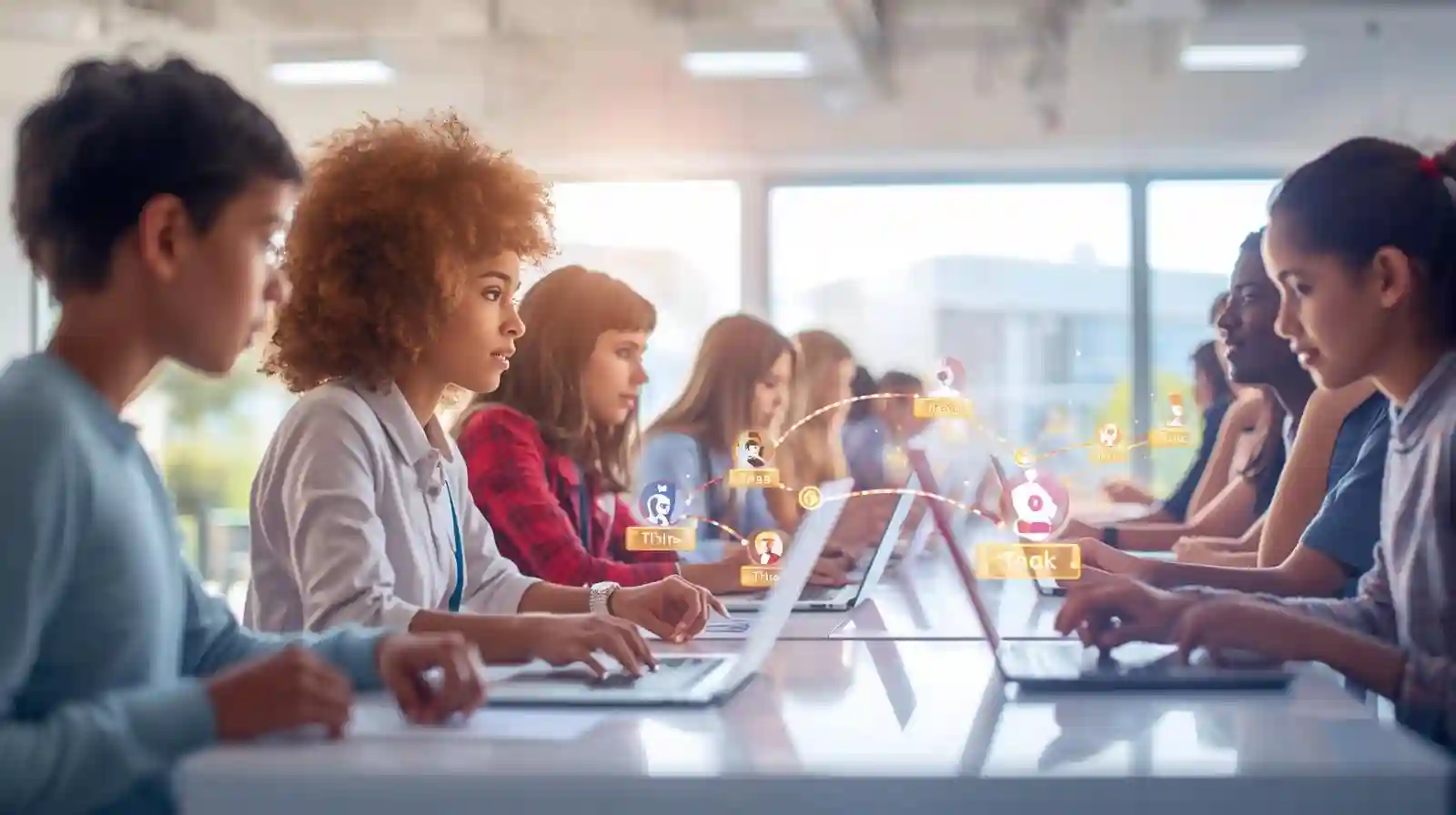
Walk into a classroom using adaptive learning and it may look quieter. But not in a bad way. Some students work independently, others collaborate in small groups & the teacher moves around offering targeted help. The energy feels focused, less rushed.
As these technologies improve, expect even more refined personalization. Artificial intelligence continues to learn, just like the students it supports. The goal is not perfection. It is progress.
Conclusion
Adaptive learning technologies are changing the education system in subtle and not so subtle ways. They respect individual learning paths, support teachers & encourage students to engage more deeply. There are bumps along the road, sure. New tools always bring new questions.
Still, the direction feels hopeful. Education becomes less about keeping up and more about growing at a natural pace. And that sounds like something worth investing in. Even if the journey includes a few awkward updates and learning curves along the way.