






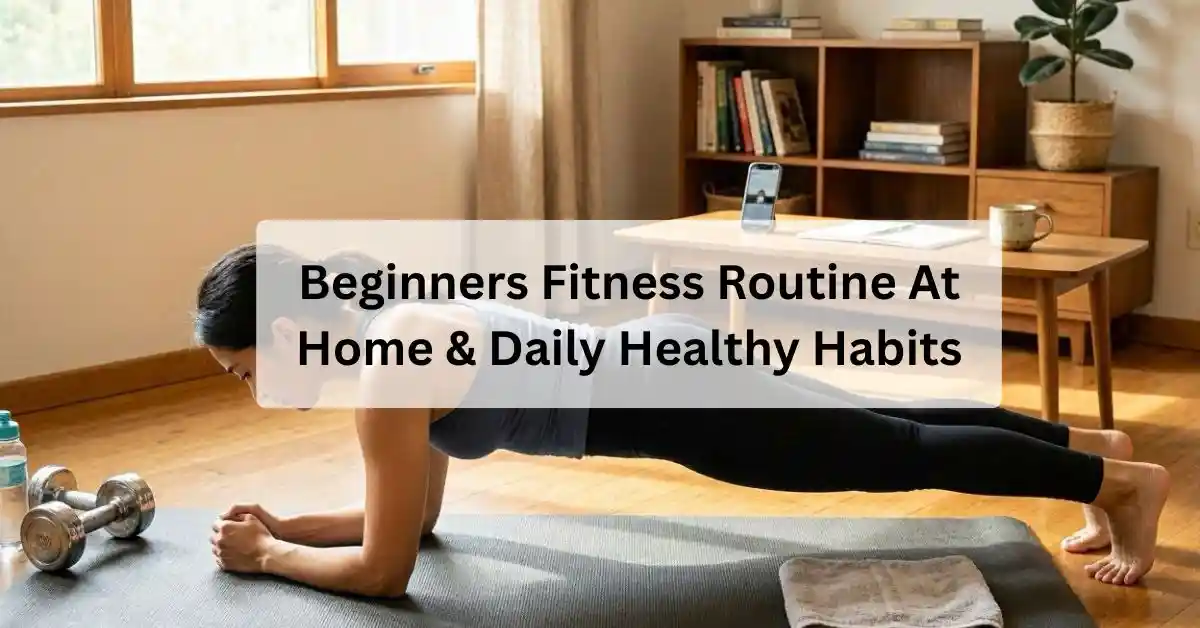
Starting a fitness routine at home sounds simple until the first few days actually begin. A lot of people imagine long workouts, hard exercises & best motivation every morning. Real life usually looks different. Some days are energetic. Other days just getting out of bed look like enough work already. That is why a beginner fitness routine at home works best when it feels easy to follow & does not take over the whole day.
Many beginners make the mistake of doing too much too soon. A hard workout on day one can leave the body sore for several days. Then the routine gets skipped. A slower start often works better. Ten or fifteen minutes of movement can be enough in the beginning. The goal is not to impress anyone. The goal is to keep showing up.
An easy morning routine could include some moderate stretching of the body. Circling your arms around a few times, gently rolling your neck or slowly stretching your legs can be enough to revitalize you. Then take a small walk around the house or start marching in place for a couple minutes.
What Is The Best Beginner Fitness Routine At Home?
Something simple Physical Activity well for most beginners, for example a 5 minute stretch. Then 10 minutes of bodyweight exercises. Easy to remember exercises like wall scoops & knee raises while standing & squats with no equipment are good choices. Ending with a few minutes of walking around the house will be relaxing. A sample routine could be something similar. 10 squats. 10 wall push ups.
20 seconds of marching on the spot. Repeat the whole cycle three times. Nothing excessive. Yet a lot of the time the body can feel surprisingly stimulated. People look for big exercises but rather small routines become permanent helpers.
The interesting thing about home workouts is how flexible they are. A living room bedroom or even a small corner can be enough space. Some people like music in the background. Others prefer silence. There is no perfect setup. The best routine is usually the one that actually gets done consistently.
How Long Should A Beginner Exercise Each Day?
A newbie probably shouldn’t exercise for an entire hour every day. Generally, around fifteen to thirty minutes is sufficiently enough. The body will have to figure things out gradually. Doing too much in a short period of time might cause weariness, dissatisfaction, or small injuries. In fact, sticking to a schedule counts more than duration.
Getting your body moving for just a few minutes five times a week can even help you get better results than having an exhausting workout twice or thrice that lasts a few hours. After completing a fitness session, it’s quite motivating to realize that you still have some energy left in you. This way, the thought of next time working out will be a doable thing. The extent to which this positive feeling counts is beyond what many people realize.
Some days may only allow ten minutes. That is completely fine. Movement is movement. A few stretches and a short walk still contribute to overall health. Fitness does not disappear because one workout was shorter than planned.
Can Fitness Improve Without Equipment?
Yes it definitely can. Bodyweight exercises have helped countless beginners build strength and improve fitness. Squats work the legs. Push ups challenge the upper body. Planks engage the core. These movements require very little space and no expensive equipment.
There is often pressure to buy workout gear immediately. Resistance bands, dumbbells and fitness gadgets can be useful later. In the beginning though they are not necessary. Learning basic movement patterns first is usually a smarter approach.
Even household items sometimes become useful. A sturdy chair can help with seated exercises. Water bottles can act as light weights. None of it needs to be complicated. Simplicity is often the reason a routine survives beyond the first few weeks.
Daily habits influence our health more profoundly than most people imagine. For example, doing a 20-minute workout & spending the rest of the day sitting may not give you the best outcomes. Little things done throughout the day may contribute to the result more than a single & very intense session of exercise.
Being more active through walking is a case in point. It can be that simple to switch from taking the elevator to going up the stairs when it is possible. Also making sure that you stand up at regular intervals. Even during long hours of sitting can matter a lot. They seem like such minuscule changes. Don’t they? The really interesting thing is that, over time, they make a big difference.
What Healthy Habits Should Beginners Follow Every Day?
Ensuring you stay hydrated is an excellent way to begin a checklist of healthy habits for daily living. Here’s the thing – a lot of people are simply tired because they’ve overlooked hydration. Having a water bottle handy is one of the simplest ways to engage the habit. Besides that, eating nutritious, balanced meals that contain fruits, vegetables, protein and whole grains will be your next step, if feasible.
On the list, sleep slides in as a vital component. The body without sufficient rest finds difficulties to recover after exercise. Seven to nine hours is the time span that gets recommended for most adults. Sleep might not be as thrilling as workouts, but it pretty much helps all health goals in one way or another.
Another thing that you may want to keep as a habit is to move regularly throughout the day. A quick stroll after the meal can leave a person feeling refreshed. And, a few minutes of stretching during the break periods can help in reducing the stiffness of the body. These tiny efforts align one’s physical fitness program yet not seem like extra work.
One may follow a realistic daily healthy habits checklist like to drink water regularly, have a good amount of veggies every day, do movements for at least twenty minutes, have a good night’s sleep and not get lost in front of screens before sleeping. Everything on the list is very moderate. To some extent that is the reason why it succeeds.
Why Do Small Habits Matter So Much?
Small habits remove pressure. When a goal feels huge it often gets delayed. When a goal feels manageable it usually gets started. Doing ten squats every day sounds easy. After a month those squats become a normal part of the day.
The same thing happens with healthy eating. Replacing one sugary drink with water may seem minor. Yet repeating that choice regularly can create noticeable changes over time. Health improvements often come from repeated ordinary actions rather than dramatic moments.
There are days when motivation disappears. That happens to nearly everyone. Habits help during those moments. A person who always stretches after waking up may do it automatically even when motivation feels low. The routine carries the effort forward.
Beginners sometimes compare themselves with people who have exercised for years. That comparison rarely helps. Every fitness journey starts somewhere. A person doing five push ups today may eventually do twenty. Progress often arrives quietly. It does not always announce itself.
Tracking simple wins can be encouraging. Maybe the workout felt easier this week. Maybe walking upstairs caused less breathlessness. Maybe energy levels improved during the afternoon. These signs often appear before major physical changes become visible.
One big issue with strict dieting is that many people find these kinds of diets to be really hard, In particular keeping them up for a long time. A lot of people do well on eating fewer processed foods, increasing their intake of fiber while decreasing fat, and having better choices of whole grains. Also, making the healthy change slower and more gradual will probably be more effective soon. Having an extra portion of vegetables or a more nutritious breakfast are just a couple of ways of getting started.
Hydration needs more emphasis since it is one of the things that people tend to forget. Water keeps the body’s systems, i.e. energy, digestion, and recovery, functioning properly. A lot of people have reported that they felt great just by ensuring they drank sufficient water throughout the day. It is definitely one of the very few, and possibly the simplest, health behavior changes that anyone can make.
Another effective strategy is to set yourself up for success the evening before. For instance, just leaving your workout attire out or making your water bottle ready in advance will eliminate small hurdles. It’s usually the little things that we do in advance, given that they generally facilitate healthy decisions the next day.
It is also important that the environment at home should be treated with care. When you have the healthy food option in your sight, you are very likely to go for it. If you have put the workout equipment where you can see them will inspire you to keep the exercise going. Studies reveal that people generally don’t realize the amount of influence their environment has on their daily behavior.
Conclusion
Fitness at home doesn’t require you to be perfect. Some exercises will be very nice to you. But other ones might seem strange or you might have to rush them. Both kinds of exercises are still valid. Being there regularly is much more important than having perfect sessions.
A beginner fitness program at home is mainly focused on establishing a bond with physical activity. Frequent good habits are in a way the means to that end. They collectively form a way of living which doesn’t cause the feeling of being overwhelmed, but instead, one that is doable. Usually, the most resilient plans are the ones that are basically simple. They not only go hand in hand with one’s daily life but also last even when the person loses motivation.
FAQs
Three to five workout days per week are sufficient for most newbies. This schedule offers the body adequate exercise but also leaves time for rest. Low-intensity or slow-start is not only good to avoid after effects and tiredness but is also a good idea in general. Increased strength and confidence often means a longer or more frequent workout routine.
For many individuals, walking is a perfect first step into fitness. It enhances blood flow, assists in maintaining a healthy heart, and aids in establishing a routine. Although incorporating strength training exercises is a good idea, walking by itself can still offer substantial health advantages, Mainly to those who are new to the fitness world.
Trying to do everything all at once is a huge mistake. Long sessions, rigid diets & high goals are some of the reasons people give up quickly. A small workout which you can easily handle is more productive than a tough plan which lasts for just a few days.
Changes in outcome depend on an individual's body and lifestyle. A number of people experience more vigor, better sleeping patterns & enhanced mental state within a couple of weeks. Conversion of the figure may need a lot of time. Daily implementation of habits leads to significant changes over the long run even if the initial progress appears to be very slow.