




A few years back, ranking on Google mostly meant writing a decent article, adding keywords in the right places, getting backlinks, and waiting. That approach still has value. Nobody can deny that. But things are moving in another direction now.
Search engines are not just showing links anymore. AI tools answer questions directly. Search results include AI summaries. Voice assistants pull information without sending users to websites sometimes. A little strange? Maybe. But that’s how people search now.
Because of this, two terms keep coming up everywhere.
- AEO (Answer Engine Optimization)
- GEO (Generative Engine Optimization)
Some people think GEO is just another SEO buzzword. That opinion may not stay for long because AI-generated search experiences are already changing traffic patterns. Traditional SEO is not dead. It simply has new company.
What Actually Changed in 2026?
The biggest difference is simple. Instead of asking Google, “Best CRM software?” Many users now ask, “Which CRM works best for a small manufacturing company with 20 employees?” That question is longer. More specific. AI engines prefer pages that answer complete situations instead of stuffing exact keywords repeatedly. Content written only for ranking often looks weak inside AI-generated answers. That doesn’t mean keywords disappeared. They simply became less important than context.
AEO and GEO... They Sound Similar But They Are Not Exactly Same
Many blogs mix these together. That creates confusion.
AEO Focus
Answer Engine Optimization tries to make content easy for search engines and AI assistants to extract. Think about questions like:
- What is local SEO?
- How does technical SEO work?
- Why is page speed important?
If the answer is clear, structured, and trustworthy, answer engines may directly use it.
GEO Focus
Generative Engine Optimization goes one step further. AI models don’t just copy one sentence. They combine information from multiple trusted websites before generating responses. That means content should provide:
- real examples
- useful explanations
- supporting context
- expert observations
- updated information
Thin articles become less useful.
One Thing Many Websites Still Ignore
Lots of websites continue publishing 500-word articles targeting one keyword. Sometimes twenty articles cover almost identical topics. It worked before. Not always now. AI prefers complete understanding. For example… Instead of writing only
“What is Technical SEO?”
A stronger page naturally discusses
- crawling
- indexing
- Core Web Vitals
- structured data
- XML sitemap
- robots.txt
- canonical tags
- rendering
Without forcing every section.
Human Experience Matters More Than Ever
This sounds obvious. Yet many AI-generated blogs still read exactly the same. Everything feels polished. Every paragraph has identical length. Every heading follows identical logic. Real useful content rarely looks like that. A person searching for information wants practical situations. Example… A local bakery in Jaipur may not care about enterprise SEO. Instead, the owner wants answers like: “Why isn’t Google showing the bakery after updating opening hours?” That question deserves a practical explanation. Not textbook definitions.
AI Can Write Fast. Experience Cannot
Hundreds of articles are published every minute. Most are technically correct. Still forgettable. The websites getting mentioned inside AI-generated responses usually explain something beyond definitions. For example, instead of saying “Improve website speed.” A stronger explanation becomes “Compressing homepage images from 4 MB to 300 KB reduced loading time dramatically. Bounce rate also improved after image optimization.” Specific situations help AI understand usefulness. Readers appreciate them too.
E-E-A-T is Still Important
Some marketers thought AI would replace quality signals. Actually, experience matters even more. Google continues emphasizing:
- Experience
- Expertise
- Authoritativeness
- Trustworthiness
If financial advice comes from anonymous content with no credibility, AI systems may avoid relying heavily on that information. Trust has become part of optimization. Not just branding.
New GEO Guidelines Worth Following
Nobody knows every ranking factor. Search engines never reveal everything. Still, certain practices consistently appear useful.
Write for Questions, Not Only Keywords
Keyword research remains necessary. But search intent has become more important. Instead of targeting “Digital Marketing” Content should naturally answer:
- Which digital marketing channel gives the fastest ROI?
- Is SEO better than paid advertising?
- Can small businesses survive without social media marketing?
Questions make articles conversational. AI systems understand them better.
Add Context Everywhere
A short answer sometimes feels incomplete. Suppose someone asks, “Should HTTPS be enabled?” A better response explains: Yes.
Because HTTPS protects user data, improves trust, supports browser security, and remains a positive SEO signal. Context matters.
Fresh Examples Beat Generic Advice
Many SEO blogs still use examples from 2018. Readers notice. AI also prefers updated information. Example…An ecommerce fashion website may optimize product descriptions using entity-based content instead of repeating “buy cotton shirts online” fifteen times. That reflects current optimization trends.
Keep Information Connected
Random pages without internal linking become isolated. AI crawlers understand relationships between pages. If one article discusses Local SEO, another discusses Google Business Profile, and another covers citations, linking them naturally builds topical authority. Everything connects. Almost like chapters of one large book.
Entity SEO Has Become Bigger
Entities are not exactly keywords. An entity represents a known person, business, location, event or concept. Instead of repeatedly writing “Apple” Content also naturally connects ideas like
- iPhone
- iOS
- Tim Cook
- App Store
- Apple Intelligence
AI understands relationships. That creates stronger semantic relevance. Pretty interesting actually.
Structured Data Still Deserves Attention
Some website owners stopped caring about Schema Markup. That may be a mistake. Schema helps search engines understand content faster. Useful schema types include:
- Article
- FAQ
- Product
- Review
- Organization
- Local Business
- Breadcrumb
Not every page needs every schema. Adding irrelevant markup simply creates noise.
Zero Click Searches Are Growing
This worries many publishers. Understandably. Users receive answers directly without opening websites. Still…High-quality content often becomes the source behind those AI summaries. Being cited by AI engines builds authority even if every visitor does not immediately click. Traffic quality may become more valuable than traffic quantity. Small difference. Big impact.
Natural Language Wins
Forget robotic writing. People search like this now. “An affordable laptop for coding under ₹60,000 with long battery life.” Not “Best coding laptop cheap.” Content should mirror natural conversations. Simple language performs surprisingly well because users naturally speak that way. Indian English works perfectly when the audience understands it. No need to sound like a university textbook.
Content Depth Without Unnecessary Length
Long articles are useful. Long articles filled with repetition are not. Sometimes one paragraph explains everything. Sometimes a topic genuinely needs fifteen paragraphs. Both are acceptable. The focus should remain useful. Not word count.
Technical SEO Still Supports Everything
Content alone cannot solve technical problems. Imagine writing an excellent article. But…
- website loads in 9 seconds
- pages are not indexed
- mobile layout breaks
- canonical tags are wrong
Ranking becomes difficult. Technical health remains the foundation. Always.
Don't Publish and Forget
Many businesses publish blogs once. Then never update them. That strategy feels outdated now. Refreshing articles with:
- latest statistics
- new screenshots
- updated examples
- current search behaviour
- AI search changes
keeps information relevant. Freshness matters in many industries.
Brand Mentions Are Becoming More Valuable
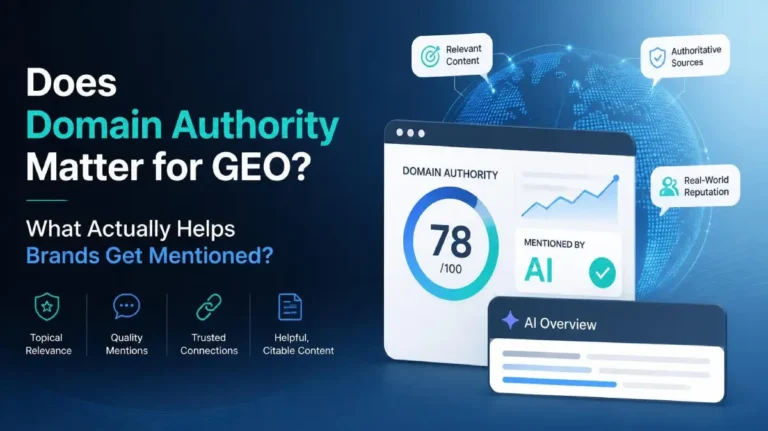
Backlinks remain useful. No argument there. But AI engines also recognise brand mentions across trusted platforms. If multiple websites discuss the same company positively, that builds authority signals. Not every mention requires a hyperlink. That shift is interesting because many marketers still focus only on backlinks.
User Satisfaction Has Become the Real Metric
Every optimization eventually reaches one question. Did the visitor actually get the answer? If readers leave confused, rankings may not stay stable. Helpful content often includes:
- practical examples
- updated facts
- easy language
- relevant images
- FAQs
- internal links
- trustworthy references
Simple. Yet many websites skip these basics.
Content Should Feel Human
Ironically…AI search engines seem to reward genuinely human writing more than obviously AI-written content. A little variation helps. Some paragraphs become longer. Others stay short. Occasional practical observations make articles easier to trust. Perfectly polished writing sometimes feels less believable. Natural writing keeps readers engaged. That matters.
Final Thought
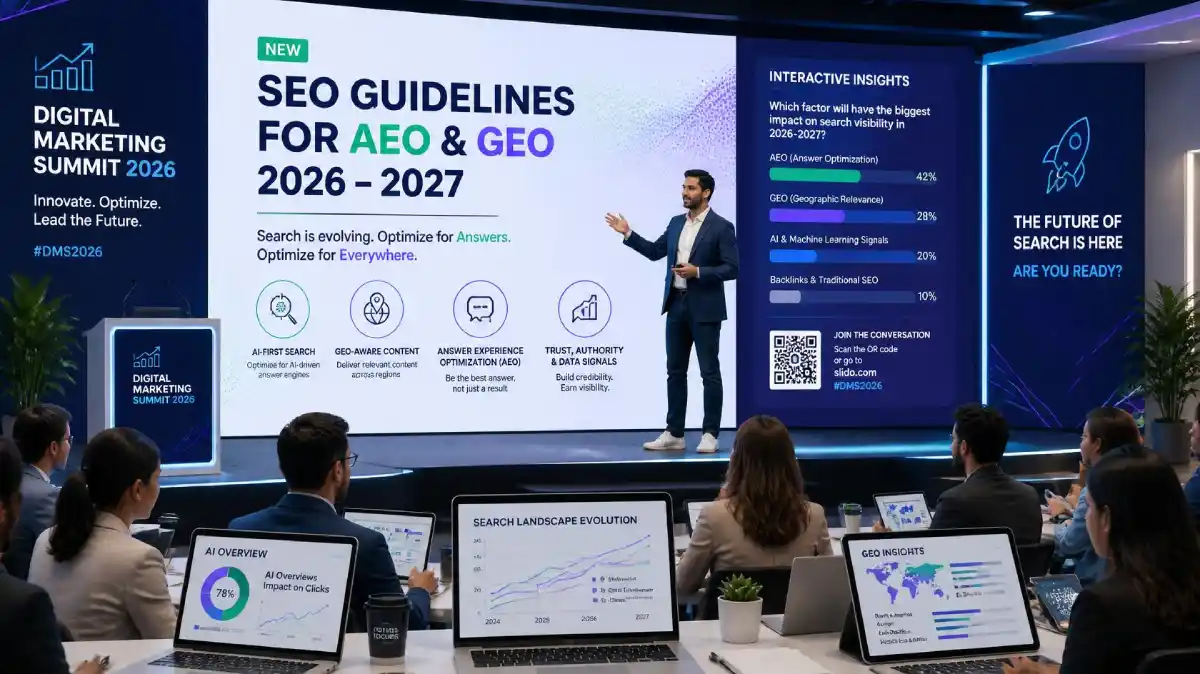
SEO is no longer only about search engines. It now includes answer engines, AI assistants, language models, and conversational search experiences. The websites likely to perform well during 2026 and 2027 will not simply chase rankings. They will build genuine topical authority, publish trustworthy information, answer real user questions, and continuously improve content based on changing search behaviour. Traditional SEO still matters. AEO expands it. GEO connects everything with the future of AI-powered search. Ignoring either one may become an expensive decision.
FAQs
SEO is simply about making a website appear higher in the search engine results. AEO But, enables content to offer instant answers for both text and voice search, whereas GEO is a technique used to make information easy for AI to process, comprehend, and present the correct answer in the most natural way through the various search outputs.
More and more people, as AI-powered search experiences expand, are getting answers instantly without even visiting multiple sites. GEO increases the likelihood of content coming up as a trustworthy source which means not only a rise in brand awareness but also authority plus the exposure of your work to AI platforms through their own sources of knowledge over time.
Of course. The reason why traditional SEO is still the fundamental element is Really technical optimization, producing high-quality content, building backlinks, and offering a good user experience are all major ranking factors. Yet, a powerful strategy that ensures higher visibility on both search engines and AI-generated answer platforms, i.e. ChatGPT is to merge SEO with AEO and GEO.
Businesses should create experience based content, answer real user questions, use structured data, improve technical SEO, build topical authority, update articles regularly, strengthen internal linking & publish trustworthy information that AI systems can easily understand and reference.