




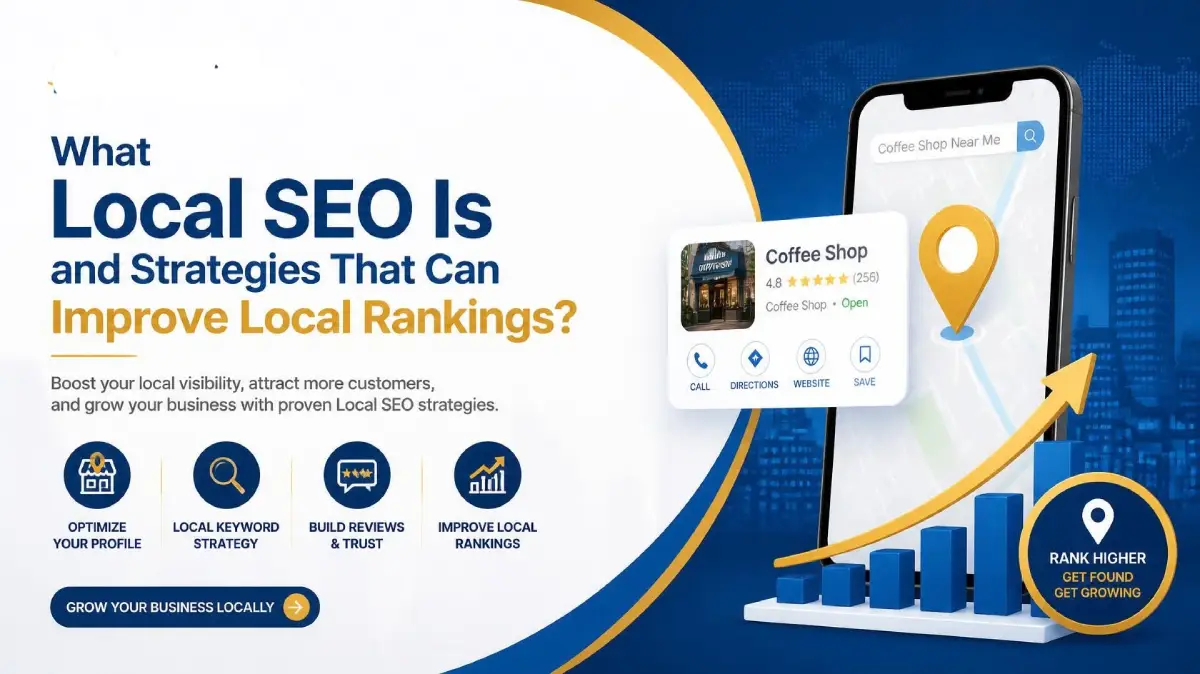
Local SEO may seem like one of those crazy online phrases, that takes something simple and makes it sound a lot more complicated than it actually is. Essentially, local SEO is helping a business appear when someone’s searching for what it offers, such as a query for a dentist near me, a coffee shop in Bangalore, or a plumber near Delhi.
That sounds easy because it is. The hard bit is what comes next. A business may have a great website, excellent services and satisfied customers but still languish deep in local search rankings. In many cases it’s nothing to do with the business. The online information can be weak, inconsistent, or incomplete.
For businesses that depend on people from a certain area, this matters a lot. A small salon does not need visitors from another country. It needs people from a few nearby areas who actually want a haircut. That is where local search becomes useful.
Universal Link Media looks at local SEO as a practical part of online visibility rather than some secret ranking trick. There are no magic buttons here. Small details often make a bigger difference than expected.
What Is Local SEO?
Local SEO is the process of optimizing a business’s online assets so that the business appears in local search results. This encompasses the business website, Google Business Profile, online directories reviews location pages, and other indicators that inform search engines of where a business operates and what it does.
Say, for example, a small bakery based in Sydney. Its web-site states it is providing cakes and open bakery but hardly gives any mention of the location. The business profile has an old phone number. Some directories show a different address. Reviews are also sitting untouched.
Nothing looks terrible on its own. Together, though, the online picture becomes unclear. Local SEO helps clean up that picture.
The goal is not to repeat Sydney on every page until the word looks strange. That old style of SEO usually makes content worse. A better approach is to make the business information clear, useful, and consistent.
Local search also has a strong connection with real world behavior. Someone looking for dinner may search while already driving around. Someone needing a repair service may search from home and call the first useful result. These searches often have clear intent. That is why local visibility can bring traffic that is more useful than random website visits.
How Does Local SEO Work?
Local search uses several signals to decide which businesses should appear for a search. Relevance matters because the business needs to match what the person wants. Distance matters because a nearby business can be more useful. Prominence also matters, which can include things such as reviews, links, mentions, and general online visibility.
These signals do not work like a simple points system. Search results can change based on the search phrase, location, device, and other factors.
A person searching for pizza near a city center may see different results from someone searching in an outer neighborhood. Even two people standing a short distance apart can sometimes see slightly different local results. This is one reason local SEO should not be treated like a one time job.
The basics are still quite steady. The business name, address, phone number, opening hours, website, services, and category should make sense everywhere. The website should explain what the business does and where it serves customers.
Then there are reviews. Real reviews can help people decide whether a business looks trustworthy. They also give search engines more information about the business and its customers.
What Should a Google Business Profile Include?
A Google Business Profile should contain accurate information that customers can use without guessing. The business name should be the real business name. The correct category should be selected. Hours should stay updated. The phone number and website should lead to the right places.
Photos also matter more than they sometimes get credit for. A restaurant with clear photos of its entrance, dining area, food, and outside sign feels easier to understand than a profile with one blurry picture from years ago. Useful details include these:
- Business name
- Correct primary category
- Phone number
- Address or service area
- Opening hours
- Website
- Business description
- Relevant photos
- Services or products where suitable
- Holiday or special hours
A profile does not need to look fancy. It needs to look real and current. If a customer sees closed hours when the shop is open, trust can drop quickly. The same thing happens when a phone number no longer works.
5 Strategies for Local SEO
1) Keep Business Information Consistent
One of the least exciting parts of local SEO is also one of the easiest places to find problems. Business information should be consistent across the website, business profiles, directories, social pages, and other trusted listings.
Suppose a company moved from one street to another. Its website shows the new address, but three directory listings still show the old one. A customer may become confused. Search engines can also have a harder time connecting all those records to one business.
Consistency does not mean every listing needs identical wording. The important details should agree. A simple check can look like this:
Information What to check.
Business name Same real world name.
Address Correct current location.
Phone Working local contact number.
Hours Current opening times.
Website Correct working page.
Category Closely matches the main service.
This work feels boring. It is still worth doing. A clean local presence gives search engines and customers fewer reasons to doubt what they are seeing.
2) Build Pages Around Real Services and Areas
A common mistake is creating one page and trying to make it rank for everything. A plumbing company may offer emergency repairs, drain cleaning, water heater work, and bathroom repairs. One general page may not explain each service well enough. Separate useful pages can make more sense when each page has something different to say.
The same idea applies to service areas. If a company genuinely serves several nearby locations, pages can explain what is offered in each area. But these pages should not be thin copies with only the city name changed. That approach usually feels fake because it is fake.
A useful local page can mention nearby places naturally. It can explain common customer needs in that area. It can include service details, real photos, examples, travel information, or frequently asked questions.
3) Get Real Customer Reviews
Reviews are one of the most visible parts of local search. They also have a second job. They help actual people decide whether to call or visit.
A business does not need to chase hundreds of reviews overnight. A steady flow of honest reviews is more natural.
After a completed job, customers can be asked politely to share their experience. The request should not tell them what rating to give. Good reviews should come from real customers.
Replying to reviews is useful too. A short thank you can be enough for a positive review. A complaint deserves a calm response. Public arguments rarely help.
There is also a small detail worth noticing. Reviews often contain words customers naturally use for a service. A person may write that a shop had fast bike repair service or that a clinic was easy to reach. These words can add useful context around the business.
The goal is not to force keywords into reviews. It is simply to let customers speak normally.
How Can Local Businesses Improve Their Website for Local Search?
The website should make three things clear fairly quickly. What the business does. Where it operates. How someone can contact or visit it.
The homepage can mention the main location naturally. Service pages should explain the actual services. A contact page should have accurate details. A map can help visitors understand the location.
Local businesses sometimes hide important information behind images or complicated menus. That makes the website look neat but can make it less useful.
A better local website often feels almost boring. The address is easy to find. The phone button works on a mobile phone. Services are explained in plain words. Opening information is easy to spot.
Page titles and headings should also describe the page clearly. A page called Emergency Plumbing Services in Texas tells both users and search engines more than a vague title such as Services.
Images can help too. A real photo of the shop or team can feel more useful than a generic stock image.
4) Earn Local Links and Mentions
Links from other websites can support local visibility, especially when they come from relevant and trusted sources.
A local sports club, community group, chamber, event website, local newspaper, supplier, or industry organization may mention a business. These mentions can happen naturally through sponsorships, events, partnerships, interviews, useful resources, or community work. There is no need to chase every directory on the internet.
A local bakery sponsoring a school event may receive a mention on the event website. A local contractor featured in a neighborhood article may earn a link. These are much more believable than hundreds of random directory submissions.
This part can take time. That is normal. Local SEO is often less about one big move and more about building a clear online footprint over months.
5) Make the Website Easy on Phones
A lot of local searches happen on phones. Someone standing outside a shopping area is unlikely to enjoy pinching and zooming around a broken website.
Mobile pages should load reasonably fast. Text should be easy to read. Buttons should be easy to tap. The phone number should be simple to use. Directions should not take five confusing steps.
This sounds basic because it is basic. Yet small businesses still have websites where the contact button disappears on mobile or the address is buried at the bottom.
A simple mobile test can reveal these issues quickly. Open the website on a phone and try to act like a new customer. Find the service. Find the price if listed. Find the address. Try to call. If the process feels annoying, visitors may leave.
Which Local SEO Tasks Should Be Done First?
Not every local SEO task has to happen on the same day. Starting with the basics usually makes more sense.
Task Main purpose
Business profile Improve local information
Website pages Explain services and locations
Reviews Build customer trust
Citations Keep business details consistent
Local links Build wider local visibility
Mobile checks Make visits easier
Analytics Understand what brings visits
How Long Does Local SEO Take to Work?
Local SEO does not have one fixed timeline. Small changes can sometimes be noticed quickly, while stronger visibility may take weeks or months. Competition, location, website quality, reviews, links, and the current strength of the business presence all affect the pace. This is where patience becomes important.
A new business competing in a crowded city should not expect a new profile and two reviews to suddenly push it into the top local results. A business with a long history, strong reviews, useful content, and trusted local mentions has a different starting point. Results should be watched over time rather than judged after a few days.
Look at searches, calls, website visits, direction requests, form submissions, and actual customers. Rankings matter, but they are not the whole story.
A business can move up in search and still receive a few calls if the offer is unclear. Another business may rank for fewer searches but receive more useful leads. That difference is easy to miss.
Common Local SEO Mistakes
Keyword stuffing is one common problem. Writing a sentence such as Best plumber in Dubai for plumbing services in Dubai, near Dubai makes the page sound strange. Real customers do not talk like that.
Another mistake is creating fake location pages. If a company does not serve a place, making a page for that place just to capture searches can create poor content.
Buying fake reviews is another bad shortcut. Reviews should come from real customers. Fake activity can create trust problems and may violate platform rules.
Ignoring negative reviews can also hurt. Not every complaint needs a long reply. Sometimes a short, polite response and a private conversation are enough.
Old information is another quiet problem. Businesses change hours, phone numbers, addresses, and services. Local SEO needs regular checking because real businesses change.
Conclusion
The best local SEO work often looks ordinary from the outside. Accurate details. Helpful pages. Real reviews. Clear service information. Good local mentions. A website that works when someone needs it.
That is probably the useful part to remember. Local SEO is not just about getting a business higher on a search page. It is about making the business easier to understand when someone nearby is already looking for it.